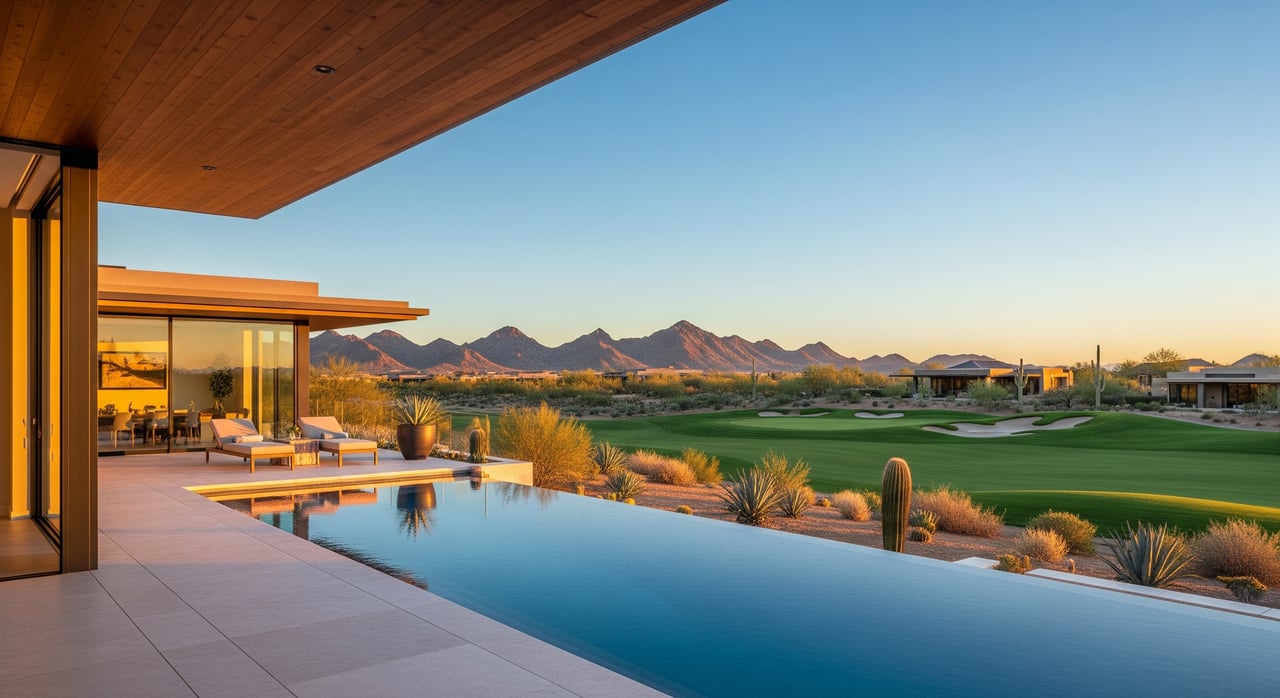
Picture an early tee time, a quick workout, and dinner on a clubhouse patio without ever leaving your neighborhood. If you are exploring life in Scottsdale’s golf communities, you want to know how it actually feels day to day, not just the highlight reel. This guide gives you a clear, practical look at access, routines, costs, rules, and timing so you can decide what fits your lifestyle. Let’s dive in.
What Scottsdale golf living feels like
Scottsdale blends desert scenery with a strong golf culture, so the game often shapes your daily rhythm. In private club enclaves, you can walk or cart to breakfast, practice, a round, and evening events. In semi-private or public-course areas, you plan around tee-time windows and drive for most errands. Winters are busy and social, while summers shift to early mornings, indoor fitness, and sunset rounds.
Community types explained
Private equity clubs
These are luxury, member-only environments where access comes through membership. You typically find on-site dining, fitness, tennis or pickleball, events, and a staffed pro shop. The social calendar is active, and tee-time priority is strong, especially in peak season. Expect formal club standards and well-maintained common areas.
Semi-private communities
Homes sit near or within communities that offer preferred access without full equity membership. You may see resident rates, tee priority windows, and limited club privileges. Daily life balances club time with off-site dining and fitness. This model suits golfers who want frequent play without full club commitments.
Resort-style neighborhoods
You live near resort or destination courses that welcome the public and seasonal guests. The vibe is relaxed and seasonal, with busy winter tee sheets. Dining options often extend to nearby hotels. This setup is ideal if you like flexibility and do not need member-only spaces.
Municipal course living
Public courses and community golf centers offer lower-cost access and a casual pace. Families and newer golfers can enjoy approachable facilities and programs. You plan ahead for busy times and play around community events. Daily routines often include driving to nearby amenities.
Active adult options
Age-restricted neighborhoods may include golf or golf-adjacent amenities. These communities often emphasize social clubs, group fitness, and daytime activities. You will see seasonal population shifts, with busier winters. Confirm age rules, resident programs, and guest policies.
Golf access and routines
Membership models
Access depends on category: equity or non‑equity, full golf or social, and resident-priority programs. These determine tee-time priority, guest rules, and clubhouse access. Always verify current categories with the club. If there is a waitlist, ask about interim options.
Tee-time logistics
Winter demand can be high, so booking windows matter. Learn whether the club uses a lottery, a time-release system, or online booking. Ask about guest limits, cart policies, and pace-of-play guidelines. In peak months, weekday mornings may fill first.
Practice and instruction
Look for a driving range, short-game areas, putting greens, and availability of teaching pros. If you have juniors in the household, check for clinics or team support. Practice quality shapes your routine between rounds. Year-round instruction can help you maintain progress through the summer.
Reciprocal play
Some private clubs offer limited play at partner clubs, which is useful for travel or variety. Confirm blackout dates, seasons, and booking rules. Reciprocity can add value if you travel or host guests. Treat it as a bonus rather than a guarantee.
Club culture and social life
Events and leagues
Weekly leagues, mixers, and charity tournaments anchor the calendar. Holiday dinners and tastings create an easy social rhythm. If you prefer a lively schedule, ask for event calendars from recent seasons. If you prefer quiet, look for clubs with lighter programming.
Dress and etiquette
Clubs vary from relaxed resort style to traditional country-club standards. Review dress codes and cell phone policies to avoid surprises. The right fit makes daily life feel seamless. When in doubt, tour during an event day.
Resident mix and seasons
Many communities blend full-time residents with part-time owners. Winters bring a busy, festive feel, while summers are quieter. If you want off-peak access, summer mornings can be excellent. Your ideal club aligns with your seasonal habits.
Dining, fitness, recreation
On-site dining habits
On-site cafes and patios make quick breakfasts, lunches, and dinners simple. If you value walking to dinner, consider proximity to the clubhouse. Ask about hours in summer and shoulder seasons. Daily dining access can be a quality-of-life difference.
Fitness and courts
Clubs often feature fitness centers, group classes, locker rooms, and courts for tennis and pickleball. Review the class schedule and personal training options. If facilities are limited, confirm nearby gyms. Integrating fitness into your routine is easier when it is on-site.
Trails and outdoors
Some neighborhoods border desert trails or have walking paths. With summer heat, early morning is best for outdoor time. Monsoon season can bring short closures, so flexibility helps. Keep sun and hydration gear by the door.
Family life considerations
Junior golf programs
Year-round lessons and summer camps support young players. Ask about age groups, coaching staff, and tournament pathways. Kid-friendly dining and pool spaces matter for after-round time. Balance family amenities with your play schedule.
Schools and commute
Review school options, bus routes, and drive times from a specific neighborhood. Confirm drop-off logistics during peak season when roads are busier. Keep after-school activity locations in mind. Neutral, fact-based research will guide your choice.
Kid-friendly spaces
Look for shaded pool areas, casual dining, and open green spaces. Ask about weekend programming or family nights. The right mix keeps everyone engaged. Confirm guest policies for friends and relatives.
Daily logistics and travel
Car-first reality
Most golf communities are car dependent. Plan drives for groceries, dining, and appointments. Some neighborhoods near Old Town Scottsdale offer more walkable options. Test-drive your routine during rush periods.
Airport and traffic
Phoenix Sky Harbor International Airport serves the region, with drive times that vary by neighborhood and season. Build in extra time during winter visitor peaks. Rideshare availability is strong, but pickup zones can be busy. Consider garage space for a second vehicle or golf cart.
Weather rhythms
Scottsdale’s desert climate creates two lifestyles in one. From November to April, most days are prime for golf and outdoor events. In hot months, shift to sunrise or twilight play and indoor fitness. Monsoon storms can briefly pause outdoor time, so plan backups.
Costs and commitments
Home and HOA fees
Golf-community homes often carry a premium over nearby non-golf areas. HOAs may cover security, landscaping, and private roads. Review reserve studies and assessment history. Understand what your dues include.
Club dues and minimums
Private membership often involves an initiation fee, monthly or annual dues, and sometimes a food and beverage minimum. Ask for the current fee schedule and any capital plans. Clarify guest fees, cart charges, and event pricing. Match the package to your play frequency and social habits.
Utilities and upkeep
In the desert, efficient HVAC matters for summer cooling. Water and irrigation can be meaningful costs, especially with landscape maintenance. Some communities use reclaimed water for course irrigation. Confirm utility providers and average billing cycles.
Rules, water, and risk
Short-term rentals
Scottsdale regulates short-term rentals at the city level, and many HOAs add stricter rules. If renting the home is part of your plan, confirm licensing and community policies. Request documents from the HOA and the city. Always verify before you buy.
Landscaping and water
Communities often require desert-friendly landscaping and approved plant lists. Ask about xeriscape guidelines and irrigation responsibilities. Water conservation practices are common on and off the course. Review any landscape modification approval steps.
Course adjacency
Homes on the fairway can enjoy views and privacy, with unique considerations. Expect setback lines, maintenance easements, and ball-mitigation rules. Review plat maps and CC&Rs before you bid. Check course renovation plans that might affect views or noise.
Buyer due diligence checklist
- Membership status: automatic, optional, or separate from homeownership.
- Current club categories: costs, waitlists, tee priority, guest rules.
- HOA dues: amounts, reserves, special assessment history, coverage.
- CC&Rs: exterior changes, landscaping standards, rental policies, pet rules.
- Course operations: public versus private, maintenance schedule, renovation plans, tournaments.
- Easements and exposure: setback lines, netting, liability waivers, ball-flight patterns.
- Utilities: water source, reclaimed irrigation, sewer, and HOA responsibilities.
- Environmental factors: drainage plans, floodplains, brush or fire safety requirements, monsoon considerations.
- Resale data: recent comparable sales and absorption trends for the community.
- Interviews: club membership director, HOA manager, and a local specialist agent.
When to shop and play
High season dynamics
From late fall through spring, you feel the city’s full energy. Showings can be active, club calendars are full, and tee sheets tighten. If you want a true picture of peak life, tour then. Budget time for traffic and event dates.
Summer strategies
Summer rewards early risers and value seekers. You can often find more flexible tee times and quieter facilities. Preview homes in the morning and return at sunset for views. Plan your fitness and social time indoors mid-day.
How we help
You deserve advice that blends luxury service with operator experience. Our team pairs hands-on development and renovation expertise with discreet access to premium inventory. We help you compare membership models, decode CC&Rs, forecast ownership costs, and source opportunities on and off market. If Scottsdale golf living is on your horizon, connect with Templeton Walker for a private consultation tailored to your goals.
FAQs
Do homeowners automatically get golf access?
- Not always. Some neighborhoods include resident programs, while others require separate club membership with initiation and dues. Confirm access with the club and the HOA before you buy.
How much should I budget for membership and HOA fees?
- Costs vary widely by club tier and community. Request the current fee schedule from the club and the latest HOA budget and reserve study to understand total ownership costs.
Is golf in Scottsdale truly year-round?
- Yes, but routines shift. Peak play and social life run in the cooler months, while summer golf moves to sunrise or twilight with more indoor fitness during the day.
Are golf communities good for families?
- Many offer junior lessons, camps, and kid-friendly spaces, while others focus on adult social life. Review programming and policies for each community to find the right fit.
What should I check if my home borders a fairway?
- Review plat maps, easements, and CC&Rs for setback lines, netting rules, and liability waivers. Ask about course maintenance hours and any planned renovations that could change views or noise.
How does seasonality affect buying?
- Winter brings more visitors, fuller event calendars, and tighter tee times, which can influence showings and negotiations. Summer is quieter and often more flexible for touring and scheduling.