Are you weighing a remodel in Scottsdale and wondering what will actually move your home’s value? In this market, the right improvements can add six figures, but the wrong scope can sink your return. You want clean numbers, local cost ranges, and a simple way to price the finished product before you spend a dollar. This guide shows you how to match scope to neighborhood, estimate ARV, and avoid over-improving so your project pencils. Let’s dive in.
Start with the market math
As of early 2026, Scottsdale’s typical home value sits near $838,000, with recent median sale prices often ranging from the high $800s to the low $900s and price per square foot in the low $400s. These figures move by month and shift a lot by neighborhood. North Scottsdale luxury communities tend to price well above city averages, while Central and South Scottsdale can carry very different buyer profiles and price points.
The takeaway: your budget and finish level should match the price tier of your immediate comp set. A $60,000 kitchen can make perfect sense in a seven-figure home yet overshoot the ceiling in a $650,000 pocket. Work from the comps outward, not from a wish list.
North vs. Central vs. South
- North Scottsdale luxury (Troon, DC Ranch, Pinnacle Peak, Desert Highlands): higher price per square foot and expectations for premium finishes.
- Central and Old Town: more condos and townhomes with urban amenities, smaller footprints, and different buyer criteria.
- South and older pockets: more investor and trade-up activity, tighter value ceilings, and strong demand for clean, midrange finishes.
What upgrades return value
Local Cost vs. Value data for the Phoenix region shows that cost-effective, targeted projects often outperform big-ticket additions at resale. According to the 2025 report, a midrange or minor kitchen remodel can recoup roughly 109 to 113 percent of its cost at sale, while major upscale kitchens and most additions usually recoup a much smaller share. See the Phoenix dataset for details in the 2025 Cost vs. Value report.
Strong bets in many Scottsdale submarkets:
- Midrange kitchen refresh: cabinet refacing or new fronts, counters, appliances, lighting. Often the most efficient interior spend in this region.
- Bathrooms: modernize surfaces and fixtures; avoid moving plumbing unless comps support it.
- Floors and paint: neutral, durable materials that photograph well and feel move-in ready.
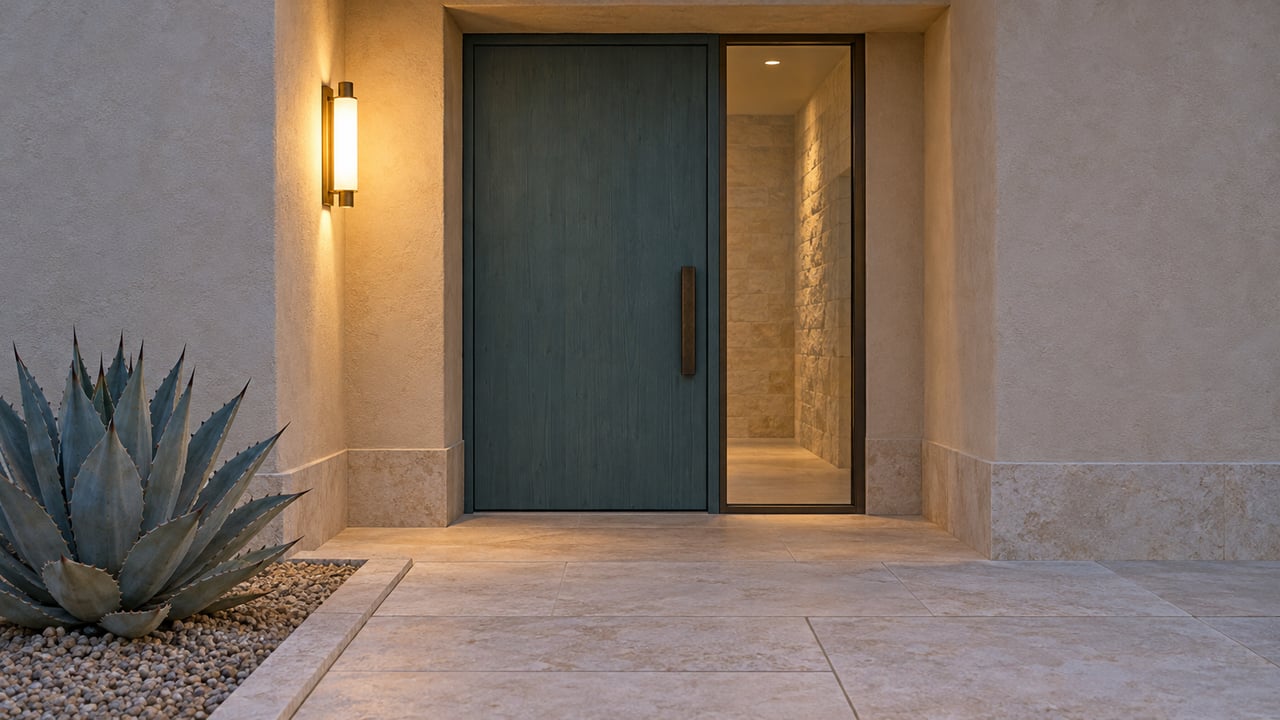
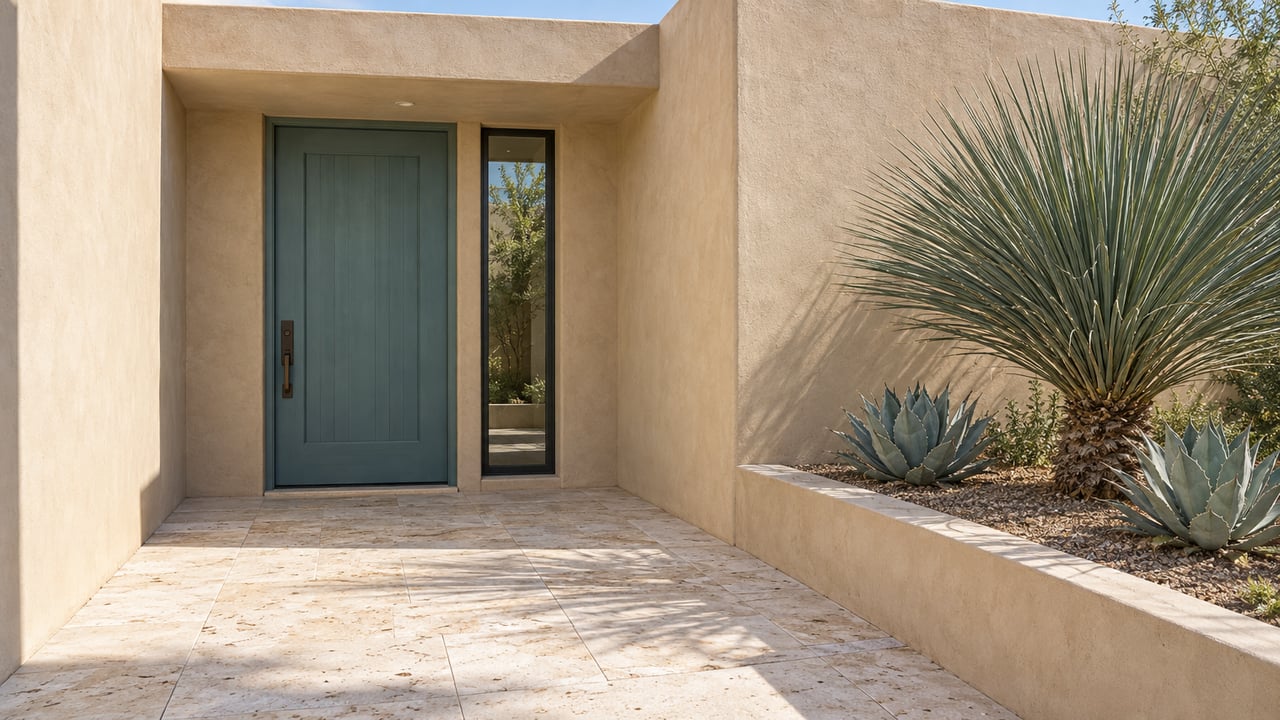
- Exterior touchpoints: curb appeal, lighting, and entry updates that pop in photos and show well.
Use luxury-level materials only where the competitive set demands it. Otherwise, target the top 10 to 20 percent of finish quality for your neighborhood rather than the top 1 percent.
Scottsdale cost benchmarks
Use these ranges to scope and screen. Always get at least three local bids and a clear scope of work.
- Kitchen remodels: roughly $25,000 to $80,000 for midrange scopes in Phoenix/Scottsdale; many projects land near $40,000 to $60,000. Larger luxury kitchens can exceed $110,000. See typical ranges in a local summary of Scottsdale kitchen remodel costs.
- Bathrooms: cosmetic updates around $8,000 to $15,000; midrange $15,000 to $40,000; high-end scopes $40,000 to $90,000+. Regional benchmarks are outlined in a Phoenix/Scottsdale remodeling cost guide.
- Flooring and paint: many midrange floors install around $4 to $12 per square foot; whole-home paint is often several thousand dollars depending on size and prep.
- Additions or heavy reconfigurations: typical Phoenix additions run about $120 to $250+ per square foot before luxury premiums. See local ranges for home additions in Phoenix.
- Pools: many inground pools range roughly $30,000 to $80,000+ depending on type and finish. Ownership and maintenance over 10 years vary by system and finish; see a breakdown of inground pool costs.
Local cost drivers to note
- Trade availability and lead times can push labor rates higher during busy seasons.
- Desert climate needs increase costs: HVAC sizing, energy code window requirements, shade structures, and irrigation adjustments.
- Specialty items like steel beams for wall removal and multi-story shoring add both time and money.
Avoid over-improving
Appraisers call it superadequacy when a home is improved beyond what the market will pay for in that location. In practice, the market treats some of that spend as a loss. If most renovated comps near you close around $850,000 with midrange finishes, a $250,000 kitchen aimed at a $1.1 million buyer is unlikely to return dollar-for-dollar value. For an overview of how appraisers think about over-improvement, review this summary on functional obsolescence and superadequacy.
A practical rule: build to match the top 10 to 20 percent of finishes among the most relevant comps. Go higher only if you are clearly inside a luxury micro-market that demands it.
How to estimate ARV
Use a simple sales-comparison approach that mimics how appraisers and experienced investors work.
- Gather 3 to 6 recent sales that match your home’s post-renovation condition within the same neighborhood and the last 3 to 6 months when possible.
- Adjust for size, bed and bath count, lot, pool, and view. Convert each comp to price per square foot.
- Apply your best comp range to your finished square footage for an ARV range.
For a step-by-step primer on ARV methods and the common 70 percent rule, review this guide to estimating ARV and MAO.
ARV example math (illustrative)
Assume your finished home will be 2,000 square feet and your top comps average $420 per square foot.
| Comp | Size (sf) | Sold Price | $/sf |
|---|---|---|---|
| A | 1,950 | $819,000 | $420 |
| B | 2,050 | $875,000 | $427 |
| C | 1,980 | $820,000 | $414 |
Average $/sf about $420. ARV estimate: 2,000 sf x $420 = $840,000. Adjust upward or downward for lot, view, pool, and any meaningful feature gaps.
Quick flip screen
A common filter for flips is the 70 percent rule: Maximum Allowable Offer = ARV x 0.70 minus repair costs. It is a screening tool only and should be adjusted for market speed, financing, and holding period. See the formula and caveats in the ARV and MAO overview.
Model carrying costs
Factor the true monthly burn into your deal: mortgage interest or hard money, taxes, HOA dues, insurance, utilities, landscaping, pool care, and storage. If permits and lead times add months, your carrying costs stack up and eat margin.
Permits and timelines in Scottsdale
Scottsdale offers a “minimum combination” permit for some minor interior scopes, but any structural, electrical, plumbing, or mechanical changes require permits and plan review. You can review eligibility and start applications on the city’s Minimum Permit page.
Typical timing to expect: simple trade permits often clear in about 10 to 15 business days, while structural work and additions can take several weeks. Add HOA architectural review time for planned exterior changes.
Contractor selection and budget control
Your contract is your roadmap. Protect yourself with a tight scope and clear pricing.
- Get three comparable, written bids with the same scope and allowance items called out.
- Ask about markup structure. Typical general contractor markup often ranges about 15 to 20 percent to cover overhead and profit. See common practices in this contractor markup guide.
- Build a 10 to 20 percent contingency, especially for older homes or structural scope.
- Use a payment schedule tied to milestones, not time.
- Require a documented change-order process to manage surprises and keep paper trails clean. Here is a quick explainer on change orders in construction.
For vetting, review recent Scottsdale permit activity, check Arizona licensing and insurance, and call references who completed similar scopes in the last 12 months.
Two quick budget snapshots
These example ranges can help you screen a plan before you call for bids.
- Cosmetic refresh (starter or central pockets): paint, flooring, lighting, minor kitchen facelift. Typical range $20,000 to $45,000. Often improves photos and buyer interest without changing walls.
- Midrange move-up remodel: full kitchen without major layout change plus 1 to 2 baths. Typical range $50,000 to $150,000. Plan a 10 to 20 percent contingency and typical GC markup.
- Heavy reconfiguration or addition: plan around $120 to $300+ per square foot. Include engineering, HVAC, permits, and longer timelines. Resale recoup percentages are often lower, so model lifestyle or rental value too.
Pools and outdoor living
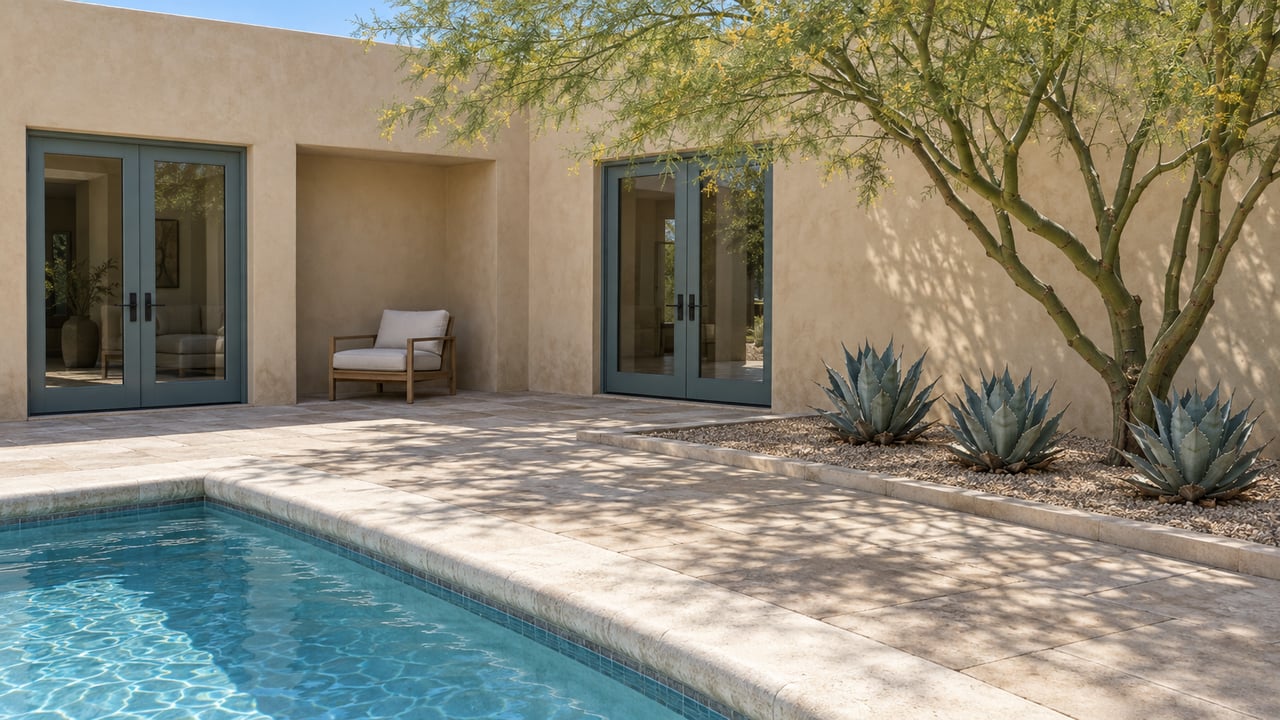
Pools are common in Scottsdale and can be a selling point. New inground pools often run roughly $30,000 to $80,000+ depending on system and finish, and long-term ownership costs vary. You also need to consider shade structures, landscape irrigation, and hardscape upgrades to create an integrated outdoor experience. See a broad breakdown of inground pool cost factors.
Flip vs. move-up strategies
- If you plan to flip: build to the top of the comp set for your price tier, not beyond it. Keep scopes tight, pick durable finishes with wide appeal, and price early using the ARV method. Screen with the 70 percent rule and include carrying costs.
- If you plan to move up: invest in kitchens, baths, and outdoor living that you will use, but still confirm your neighborhood ceiling. If you expect to sell within 2 to 4 years, align materials and features with the most marketable comps to protect future resale.
Ready to model your project?
If you want an operator’s view on what to renovate and what to skip, we can help you price the finished product before you swing a hammer. For a private, data-driven plan tailored to your Scottsdale neighborhood, connect with Templeton Walker. Request a Private Consultation.
FAQs
What does a Scottsdale kitchen remodel cost in 2026?
- Many midrange Scottsdale kitchens fall near $40,000 to $60,000, with broader ranges from about $25,000 to $80,000 depending on size and finishes. Luxury kitchens can exceed $110,000.
How do I estimate after-repair value (ARV) in Scottsdale?
- Pull 3 to 6 recent, nearby sales that match your planned finish level, convert each to price per square foot, then apply the range to your finished square footage. Adjust for lot, view, bed and bath count, and pool.
Which projects usually return the most at resale locally?
- Phoenix-region data shows midrange or minor kitchen remodels often recoup more than 100 percent at sale, while large additions and upscale major kitchens usually recoup less.
Do I need a permit for a Scottsdale kitchen or bath update?
- Minor non-structural work may qualify for a streamlined permit, but moving walls or changing electrical, plumbing, or mechanical systems requires permits and review. Always confirm scope with the city.
How long do Scottsdale permits take to approve?
- Simple trade permits often clear in about 10 to 15 business days, while structural scopes and additions can take several weeks. Add HOA review time if applicable.
How can I avoid over-improving for my neighborhood?
- Identify the most relevant comps and target finishes in the top 10 to 20 percent of that set. Upgrade beyond that only if your home sits inside a clear luxury micro-market where buyers expect it.