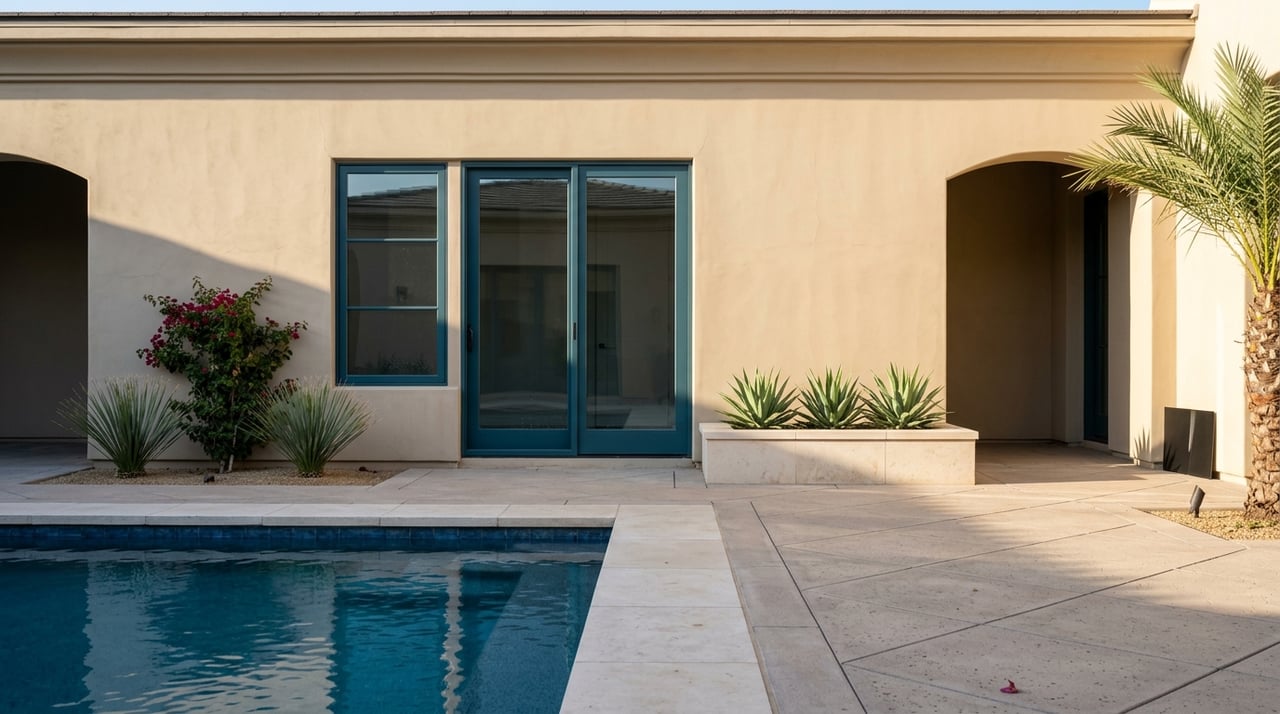
If you are getting ready to sell a Paradise Valley estate, it is easy to assume you need a major remodel to compete. In reality, current market conditions point to a more disciplined approach. With buyers comparing more options in a balanced market, the homes that stand out are often the ones that feel polished, well maintained, and easy to understand. Let’s dive in.
Paradise Valley rewards smart preparation
Early spring 2026 data suggests Paradise Valley is not a runaway seller’s market. Redfin reports a median sale price of $4.62 million and a median of 69 days on market for the three months ending April 2026, while Realtor.com reports about 75 days on market, a 95% sale-to-list ratio, and 314 active homes.
That matters because buyers have choices. When inventory gives them room to compare, they tend to reward strong presentation, clear pricing, and obvious condition over expensive projects that may not match their personal taste.
Why overspending can hurt your return
In a luxury market, it is tempting to chase perfection. But broad remodels often come with two risks: uncertain resale return and added complexity.
National cost-versus-value data supports a more selective strategy. Zonda’s 2025 report shows that many of the highest-return projects are exterior-focused, while large interior remodels are often too subjective to deliver the same resale payoff. A minor kitchen remodel performed far better than a full custom reconfiguration in terms of typical return.
In Paradise Valley, the risk is not just cost. Large exterior changes, additions, and major site work can become permit and compliance projects, especially on hillside properties.
Local rules make major projects more involved
Paradise Valley places a strong emphasis on land use, community character, open space, and environmental stewardship. The town’s planning framework means the setting of the home matters almost as much as the structure itself.
If your property is on a hillside, larger exterior work can trigger review of grading, drainage, heights, lighting, materials, and land disturbance. Depending on the scope, the process may require surveys, renderings, landscape plans, lighting plans, grading details, and native-plant documentation.
The town also requires permits for many types of work, including pools and spas, fences and walls, accessory structures, demolition, plumbing, electrical, mechanical, and right-of-way work. Remodels or new work valued at $500,000 or more bring added requirements, including native-plant documentation.
For sellers, the takeaway is simple: if a project is not clearly necessary, think carefully before starting it just to list the home.
Focus on what buyers actually notice
Luxury buyers still care deeply about first impressions. The difference is that first impressions usually come from cleanliness, scale, light, flow, and condition, not from the price tag of your renovation.
The 2025 Profile of Home Staging found that 83% of buyers’ agents said staging made it easier for buyers to visualize a property as their future home. Seller agents also reported benefits in both offered value and time on market, with nearly half saying staging helped homes sell faster.
The same report identified the most important rooms to stage as the living room, primary bedroom, and kitchen. It also highlighted cleaning, decluttering, and curb appeal as the most common recommendations.
Start with deferred maintenance
Before you spend on design upgrades, fix the things that quietly undermine buyer confidence. Visible deferred maintenance can make buyers wonder what else has been ignored.
Start with safety issues and obvious wear. Think damaged surfaces, neglected paint touch-ups, dated or stained finishes, broken hardware, poor lighting, and anything that makes the home feel less than move-in ready.
This is not glamorous work, but it often does more to protect your price than a dramatic remodel. In a balanced market, buyers notice condition quickly.
Improve curb appeal with restraint
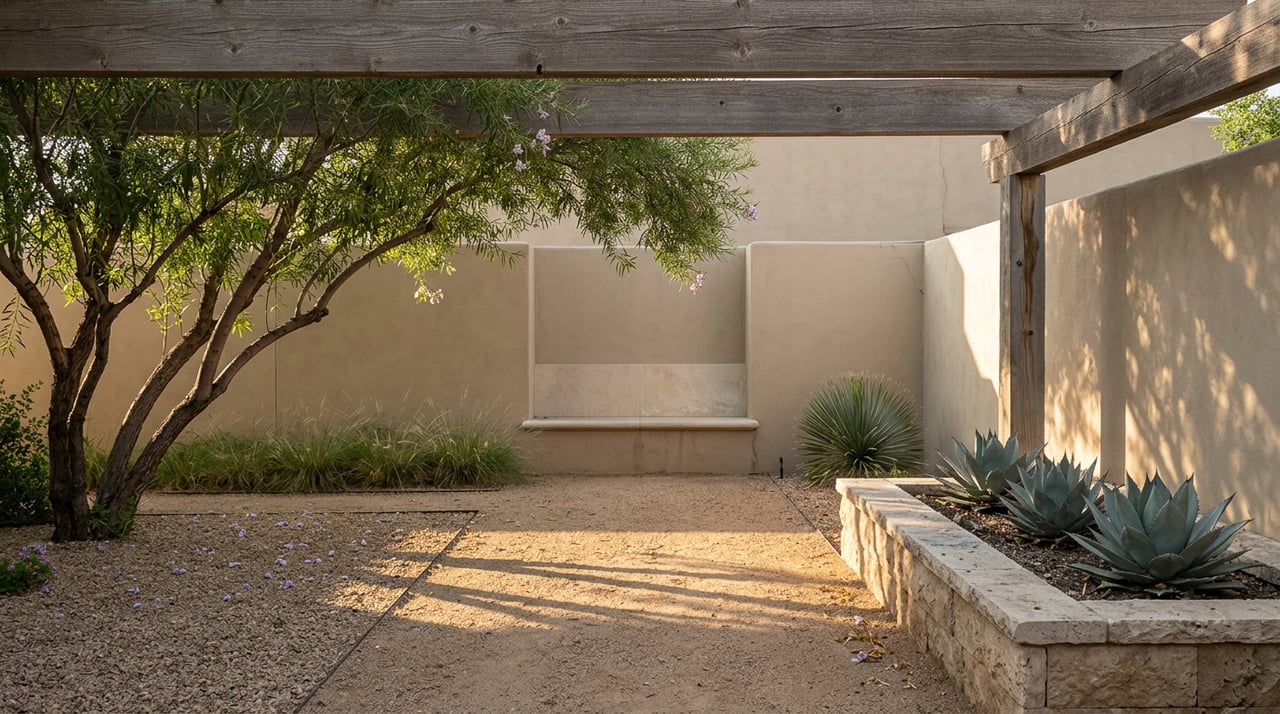
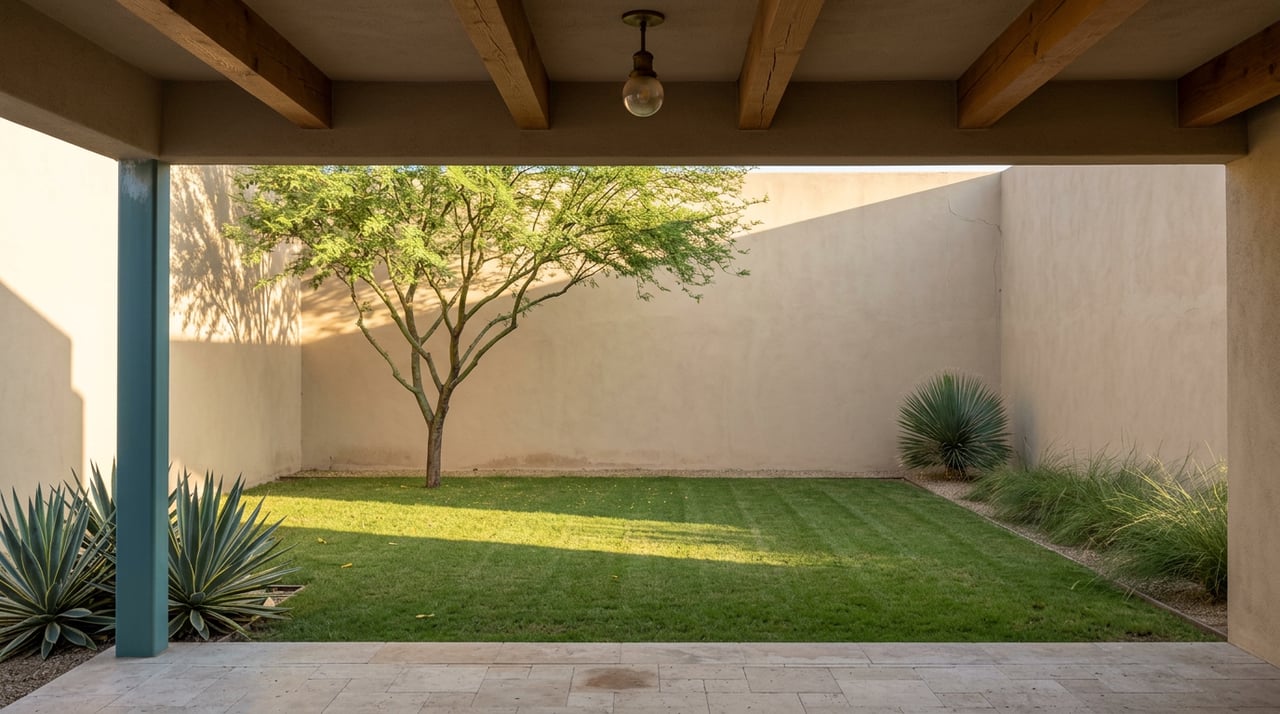
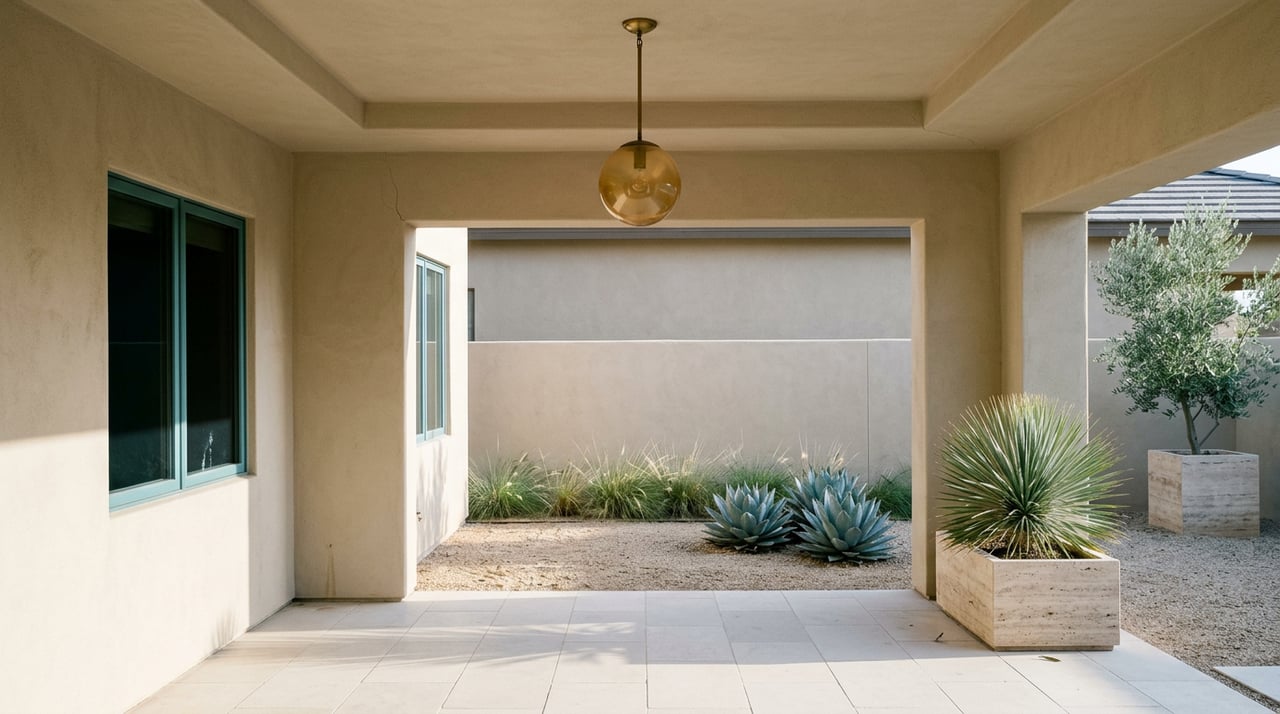
The approach to the home sets the tone for everything else. In Paradise Valley, that means curb appeal should look intentional, clean, and compatible with the desert setting.
The town’s landscape guidance favors low-water-use, desert-compatible planting and preservation of the natural environment. That makes a measured refresh smarter than an overbuilt redesign.
Focus on the entry sequence, driveway approach, hardscape cleanliness, landscape grooming, and overall composition. If the property already has mature desert character, your goal is to refine it, not erase it.
Smart exterior updates
- Deep clean all exterior surfaces that affect first impressions
- Refresh the front door area and entry lighting if needed
- Trim and groom landscaping for a cared-for appearance
- Replace or repair visibly worn exterior elements
- Keep planting choices consistent with desert-compatible presentation
Use staging to clarify the home
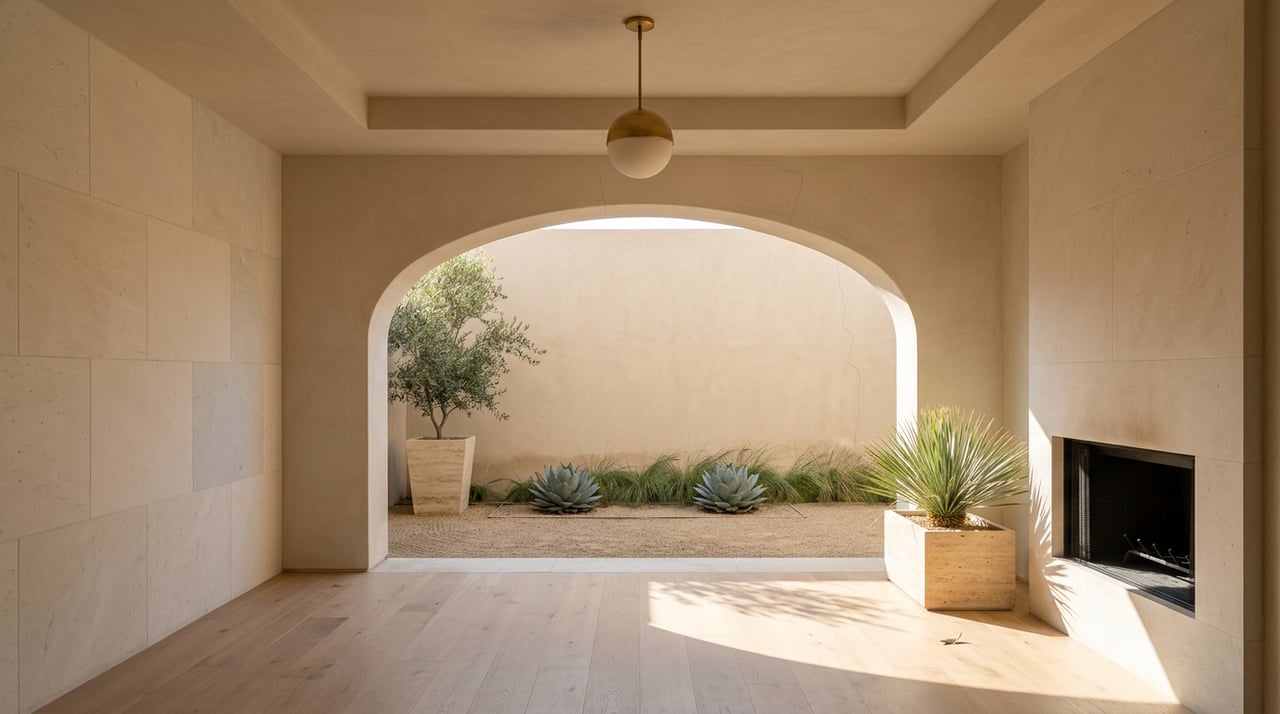
Staging works best when it helps buyers understand the scale and lifestyle of the home. It is not about making the property look trendy. It is about making the layout feel effortless.
For many Paradise Valley estates, that means reducing visual noise, removing overly personal items, and editing furniture so rooms feel open and purposeful. In large homes especially, oversized or mismatched furnishings can make even premium spaces feel awkward.
NAR also notes that staging is best understood as presentation, not remodeling. That distinction matters if you are trying to protect your net proceeds.
Prioritize these rooms first
- Living room
- Primary bedroom
- Kitchen
If your budget is limited, start there before staging every secondary space.
Invest in listing media before a major remodel
Once the home is clean, corrected, and staged, professional marketing assets become far more valuable. The same NAR research found that photos, traditional staging, videos, and virtual tours are highly important to buyers’ agents.
That is especially relevant for Paradise Valley, where many buyers begin their search remotely and narrow their shortlist before they ever visit in person. Strong visuals can help your home communicate quality, setting, and architectural integrity without forcing you into unnecessary construction.
NAR reported a median staging service cost of $1,500. Compared with the cost and disruption of a full remodel, that is often a more efficient use of pre-listing dollars.
Consider a minor kitchen refresh
If one area deserves a closer look, it is often the kitchen. Buyers pay attention to kitchens, but that does not mean you need a full gut renovation.
National cost-versus-value data suggests a minor kitchen remodel can perform much better than large, highly customized interior projects. If your kitchen reads as dated, a targeted refresh may be enough to improve perception without overspending.
That could mean selective cosmetic updates rather than layout changes. The goal is to make the kitchen feel current, clean, and functional while avoiding a personal design statement that the next owner may undo.
Know when to stop spending
The hardest part of pre-listing prep is often knowing when enough is enough. In Paradise Valley, the answer usually comes back to architecture, condition, and compliance.
If the estate has strong bones, your best move is often to preserve its design integrity, correct visible issues, and elevate presentation. Full kitchen expansions, primary-suite reworks, specialty rooms, and major landscape overhauls may add cost and complexity without delivering a clear resale benefit.
This is even more true when a project could trigger permit review, hillside oversight, dust-control requirements, or native-plant compliance. A listing strategy should reduce friction, not create more of it.
A practical prep order for sellers
If you want a simple decision framework, follow this order:
- Fix safety concerns and visible deferred maintenance.
- Improve the entry sequence and curb appeal.
- Stage the living room, primary bedroom, and kitchen.
- Invest in professional photography, video, and virtual tours.
- Only then decide whether a targeted refresh is truly needed.
This approach aligns with both current market conditions and the practical realities of selling in Paradise Valley. It helps you spend where buyers are most likely to notice.
The goal is confidence, not construction
A well-prepared Paradise Valley estate does not need to feel newly rebuilt. It needs to feel well cared for, visually calm, and easy for a buyer to say yes to.
That is where measured strategy matters. When you focus on presentation, condition, and smart prioritization, you protect both your timeline and your equity.
If you want a discreet, operator-minded opinion on what to fix, what to stage, and what to skip, Templeton Walker can help you prepare your home for market with discipline and clarity.
FAQs
What is the Paradise Valley housing market like for sellers in 2026?
- Early spring 2026 data points to a balanced market, with reported median days on market around 69 to 75 days, a 95% sale-to-list ratio, and hundreds of active listings giving buyers more options.
What pre-listing upgrades matter most for a Paradise Valley estate?
- The most defensible first steps are fixing visible deferred maintenance, improving curb appeal, staging key rooms, and investing in strong listing photography and video.
What rooms should you stage before selling a Paradise Valley luxury home?
- Based on 2025 staging research, the highest-priority rooms are the living room, primary bedroom, and kitchen.
Should you remodel a kitchen before listing a Paradise Valley home?
- A minor kitchen refresh may be worth evaluating if the space feels dated, but a full kitchen remodel often has a less predictable resale return than targeted cosmetic improvements.
Why should Paradise Valley sellers be cautious with major exterior work?
- Larger projects can trigger permits and added review for issues like grading, drainage, lighting, materials, and native-plant documentation, especially on hillside properties.
How can you improve Paradise Valley curb appeal without overspending?
- Focus on cleaning, landscape grooming, entry presentation, and a restrained desert-compatible look that fits the property rather than forcing a major redesign.