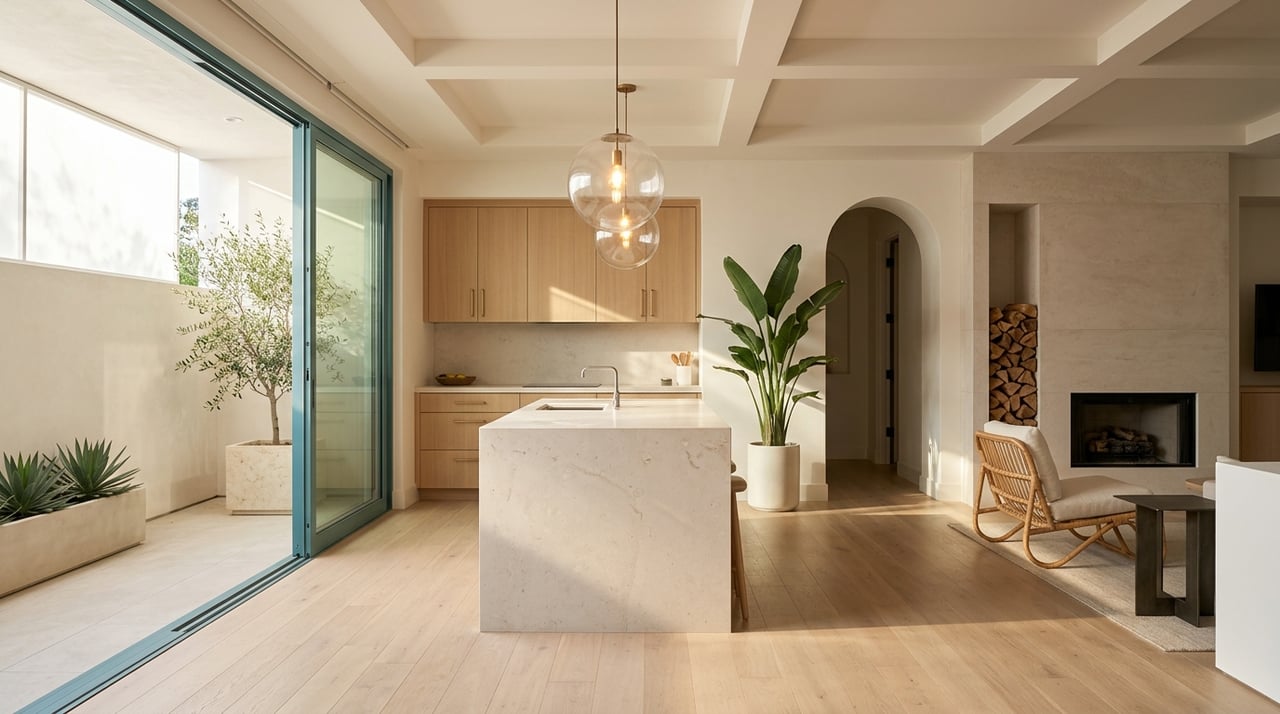
If you are hunting for value-add in Scottsdale luxury condos, the biggest opportunities are not always where people first look. A sleek kitchen update can help, but in attached property, the real upside often depends on the building, the HOA, and whether your exit strategy fits the project. If you want to buy smarter and avoid expensive surprises, this guide will show you where value usually comes from in Scottsdale and what deserves a closer look. Let’s dive in.
Why building-level analysis matters
Scottsdale’s condo market covers a wide range of price points and property types. Redfin currently shows 541 condos for sale in Scottsdale at a median listing price of $384,000, alongside 690 townhouses for sale, while the citywide median sale price over the last three months is $954,429.
That spread matters because it shows how broad the attached market is. A luxury condo should not be judged against Scottsdale as a whole. Instead, you need to evaluate the specific building, its association, its condition, and the likely buyer pool for that exact product.
Where condo value-add usually comes from
In Scottsdale luxury condos, value-add tends to come from three places: unit-level cosmetic upgrades, careful selection of buildings with healthy fundamentals, and an exit strategy that preserves buyer demand. The best opportunities often combine all three.
A condo may look dated inside but sit in a well-managed, financeable building with strong resale appeal. On the other hand, a beautifully renovated unit in a troubled project can still underperform if financing becomes difficult or the HOA faces major repair issues.
Focus on low-friction interior upgrades
Some of the cleanest value-add opportunities come from updates that improve the look and feel of a unit without triggering major permitting. According to Scottsdale permit guidance, interior paint, drywall or plasterboard repair, minor non-structural replacement of doors and hardware, kitchen cabinets, flooring, carpet, trim, and replacement of existing plumbing fixtures in the same location generally do not require a city permit.
For buyers and investors, that creates a practical path to reposition a unit. You may be able to modernize finishes, improve perceived quality, and create a stronger resale presentation without stepping into a more complex construction process.
Be cautious with higher-scrutiny renovations
Not every upgrade is simple in a condo setting. Scottsdale says window replacement, rewiring, plumbing or gas work, HVAC or mechanical work, tenant improvements, room additions, and exterior alterations generally require permits.
In a luxury condo, those projects can involve more than city approval. They often require HOA approval as well, which can narrow your renovation menu and affect timeline, budget, and certainty. That is why cosmetic repositioning is often the more efficient play in attached luxury product.
Why building health can outweigh finishes
A luxury condo purchase is never just about the unit. The condition and management of the building can shape financing, marketability, and your future resale options.
Arizona law gives condominium associations authority over the maintenance, repair, replacement, and modification of common elements, as well as additional improvements to those common elements. In practical terms, that means lobby updates, elevator modernization, pool-area work, security improvements, parking structure issues, and façade concerns are often association-level value drivers.
Watch for common-element issues
When you assess value-add potential, ask whether the building itself supports the investment. A refreshed unit in a building with unresolved common-element problems may not deliver the return you expect.
Fannie Mae identifies critical repair concerns tied to safety, soundness, structural integrity, habitability, financial viability, or marketability. Examples include water intrusion, advanced deterioration, failed inspections, elevators, waterproofing, stairwells, balconies, foundations, electrical systems, and parking structures.
For luxury condo buyers, this is a key filter. If the building has unresolved issues in these areas, they can affect financing and limit your future buyer pool, even if your unit renovation is excellent.
HOA documents can reveal hidden risk
In Scottsdale condos, a strong value-add deal is often found in the paperwork before it is found in the finishes. Arizona resale disclosure requirements can give you a clearer picture of the association’s financial condition, rules, and possible future costs.
Arizona condo and planned-community resale packets require documents such as the declaration, bylaws, current operating budget, most recent annual financial report, and the most recent reserve study if one exists. The packet also includes statements about unpaid assessments, insurance coverage, alterations that violate the declaration, and pending litigation.
Review these items closely
Before you commit to a condo with a value-add plan, pay close attention to:
- The current operating budget
- The most recent annual financial report
- The reserve study, if available
- Any unpaid or upcoming assessments
- Insurance coverage information
- Pending litigation
- Alterations that may violate the declaration
- Rental policy language in the governing documents
Arizona law also requires association financial and other records to be reasonably available within ten business days, and board and member meetings are generally open with notice and agenda requirements. That makes board minutes, budgets, reserve studies, and litigation history valuable parts of your review.
Special assessments deserve extra attention
Special assessments can quickly change the economics of a deal. Fannie Mae requires lenders to review the purpose, timing, and remaining amount of each special assessment, and an assessment tied to an unresolved critical repair can make a project ineligible.
That matters because financing eligibility is part of value. If a project becomes harder to finance, your resale pool may narrow, and your exit can become slower or less profitable.
Financing can shape your exit
Many buyers focus on renovation cost and after-repair value. In Scottsdale luxury condos, a better question is whether the project remains attractive to conventional buyers when you are ready to sell.
Fannie Mae says lenders must determine that a condo project meets eligibility requirements before the loan can be delivered. Project documentation can include budgets, financial statements, reserve studies, engineers’ reports, and legal documents.
Projects with pending litigation related to structural soundness or habitability, projects in need of critical repairs, projects with inadequate insurance, or projects that operate like hotels or motels can be ineligible. For a value-add buyer, that means the most appealing opportunity is often the one that preserves broad financing access.
Match the property to your exit strategy
The best Scottsdale condo value-add opportunities usually have a clear and realistic exit from day one. In many cases, the strongest path is a clean resale after cosmetic upgrades or a long-term rental in a building that allows it.
Arizona law allows a condo or planned-community unit to be used as a rental unless the declaration prohibits it, though associations may require limited tenant information and can regulate rentals within narrow statutory limits. That makes the declaration and rental-policy language essential if you plan to hold the property.
Understand short-term rental limits
Short-term rental plans need extra scrutiny. Scottsdale requires a city license for properties rented for fewer than 30 days, along with neighborhood notification and at least $500,000 in liability coverage.
Scottsdale also says all rental units, including vacation and short-term rentals, must be registered with Maricopa County, and transaction privilege sales tax and transient tax apply. Even if a short-term rental is allowed at the city level, the HOA may still restrict it through private governing documents.
Fannie Mae also flags hotel-like or transient projects as potentially ineligible in certain cases, including projects with rental pooling, shared rental profits, or hotel or resort-style operation. That is one reason many buyers prefer exit strategies that support conventional financing and wider resale demand.
A practical framework for spotting value-add
If you are comparing Scottsdale luxury condos, use a simple framework to separate real opportunity from cosmetic distraction.
Look for these positive signs
- Dated but functional interiors that can be improved with low-friction upgrades
- A building with stable financial documents and no obvious major repair red flags
- Reserve planning that supports future maintenance
- No unresolved issues that could affect financing
- Clear, workable HOA rules for your intended use
- An exit strategy that fits the project’s documents and buyer profile
Watch for these warning signs
- Deferred maintenance in common elements
- Large or unclear special assessments
- Pending litigation involving structural or habitability concerns
- Inadequate insurance information
- Renovation plans that depend on difficult approvals
- Short-term rental assumptions not supported by HOA documents or city rules
Why operator experience matters in condo acquisitions
Luxury condo value-add is often won or lost in the details. It is not just about choosing attractive finishes. It is about understanding what can be upgraded efficiently, how the building’s health affects future value, and whether the project supports your intended resale or hold plan.
That is where a practitioner’s lens can make a real difference. When you assess condos through renovation scope, HOA constraints, financing standards, and exit strategy at the same time, you are more likely to identify opportunities that are both attractive and executable.
If you are evaluating Scottsdale luxury condos for a personal purchase, a resale play, or a long-term hold, a disciplined review can help you avoid the kind of friction that erodes returns. For a private, strategy-first conversation about Scottsdale opportunities, connect with Templeton Walker.
FAQs
What creates value-add potential in Scottsdale luxury condos?
- Value-add potential usually comes from low-friction interior upgrades, strong building fundamentals, and an exit strategy that fits the HOA rules and financing profile of the project.
What condo renovations usually do not require a Scottsdale permit?
- Scottsdale says interior paint, drywall or plasterboard repair, minor non-structural replacement of doors, hardware, kitchen cabinets, flooring, carpet, trim, and replacement of existing plumbing fixtures in the same location generally do not require a city permit.
What condo upgrades usually require more review in Scottsdale?
- Scottsdale says window replacement, rewiring, plumbing or gas work, HVAC or mechanical work, tenant improvements, room additions, and exterior alterations generally require permits, and HOA approval may also be needed.
What HOA documents should you review before buying a Scottsdale condo?
- You should review the declaration, bylaws, current operating budget, most recent annual financial report, reserve study if available, insurance information, unpaid assessments, pending litigation, and any rental-policy language.
Can you use a Scottsdale condo as a rental property?
- Arizona law allows condo units to be used as rentals unless the declaration prohibits it, so you should confirm the project’s governing documents before relying on a rental strategy.
What should you know about short-term rentals in Scottsdale condos?
- Scottsdale requires a city license for rentals under 30 days, neighborhood notification, at least $500,000 in liability coverage, and rental registration with Maricopa County, while HOA rules may separately restrict or prohibit short-term rentals.