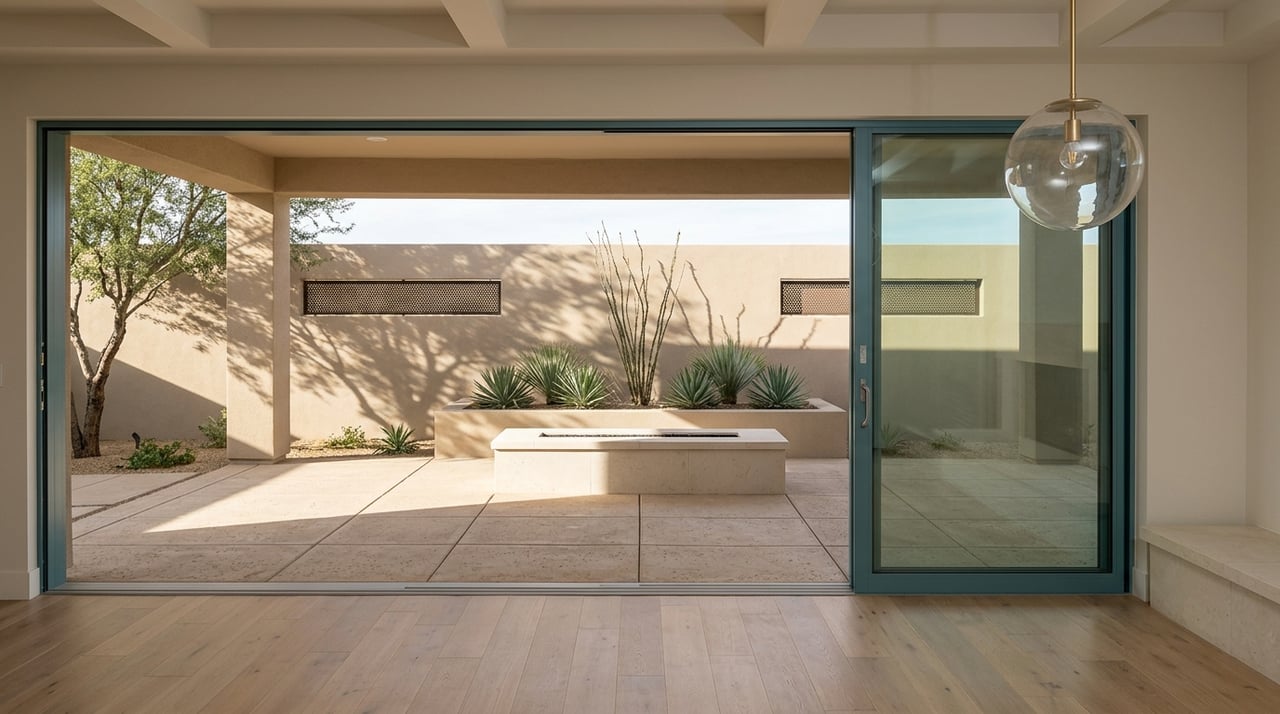
If you are building or buying a custom home in Scottsdale, the lot can matter just as much as the floor plan. A dramatic view may catch your eye first, but sun exposure, elevation, neighboring land use, and privacy controls often shape how the home actually lives day to day. When you understand how these site factors work together, you can make a more confident decision and avoid expensive surprises later. Let’s dive in.
Why lot context matters in Scottsdale
Scottsdale is not a one-size-fits-all custom home market. The city sits in the Sonoran Desert near the McDowell Mountains, with elevations ranging from about 1,150 to 4,877 feet and an average of 314 sunny days each year.
That setting makes orientation, topography, and surrounding land especially important. In practical terms, your lot can influence how much heat and glare you get, how usable your outdoor spaces feel, and whether your views and privacy are likely to hold over time.
Scottsdale also plans growth through the General Plan, Character Area Plans, and Neighborhood Plans. That means what surrounds a lot today may not tell the full story, because future development can still affect sightlines and privacy unless nearby land is protected or tightly regulated.
How orientation affects comfort
In Scottsdale, lot orientation is not just an architectural detail. It has a direct impact on light, heat, shading, and how comfortable your indoor and outdoor living spaces feel across the seasons.
South-facing windows generally allow the most winter sunlight and can limit direct summer sun when they are properly shaded. North-facing windows tend to provide more even daylight with less glare and very little unwanted summer heat gain.
East- and west-facing windows can bring beautiful morning or evening light, but they also tend to create more glare and more summer heat. Scottsdale’s own shading guidance notes that east and west exposures are harder to shade effectively because the sun sits lower in the sky during those hours.
South-facing living spaces
For many Scottsdale custom homes, south exposure offers a practical advantage. The city notes that south-facing areas are easier to shade in summer while still preserving views, which can help you balance comfort and design.
That matters if you want large glass walls, open living rooms, or a patio that feels usable for more of the year. A well-oriented home can support those features more naturally than one that constantly fights harsh afternoon sun.
North-facing light
North-facing windows often create a calmer lighting condition. You usually get steady daylight with less glare, which can be useful in main living areas, offices, or spaces where you want softer natural light.
Even so, Scottsdale notes that north windows in hot climates may still need shading. In summer, the sun can rise north of east and set north of west, so north exposure is not automatically heat-free.
East and west tradeoffs
East-facing areas can feel pleasant in the morning, while west-facing spaces can capture warm evening light and sunsets. The tradeoff is that both can bring stronger glare and heat, especially in summer.
Scottsdale’s guidance recommends minimizing east and west glazing when possible and using tools like vertical fins, screen walls, or eggcrate-style shading rather than relying only on overhangs. If a lot has strong west exposure, that design strategy becomes especially important.
Outdoor living depends on shade
In many Scottsdale custom homes, outdoor spaces are central to how you live. Patios, courtyards, pools, and outdoor kitchens are not just extras. They often function as major living areas for much of the year.
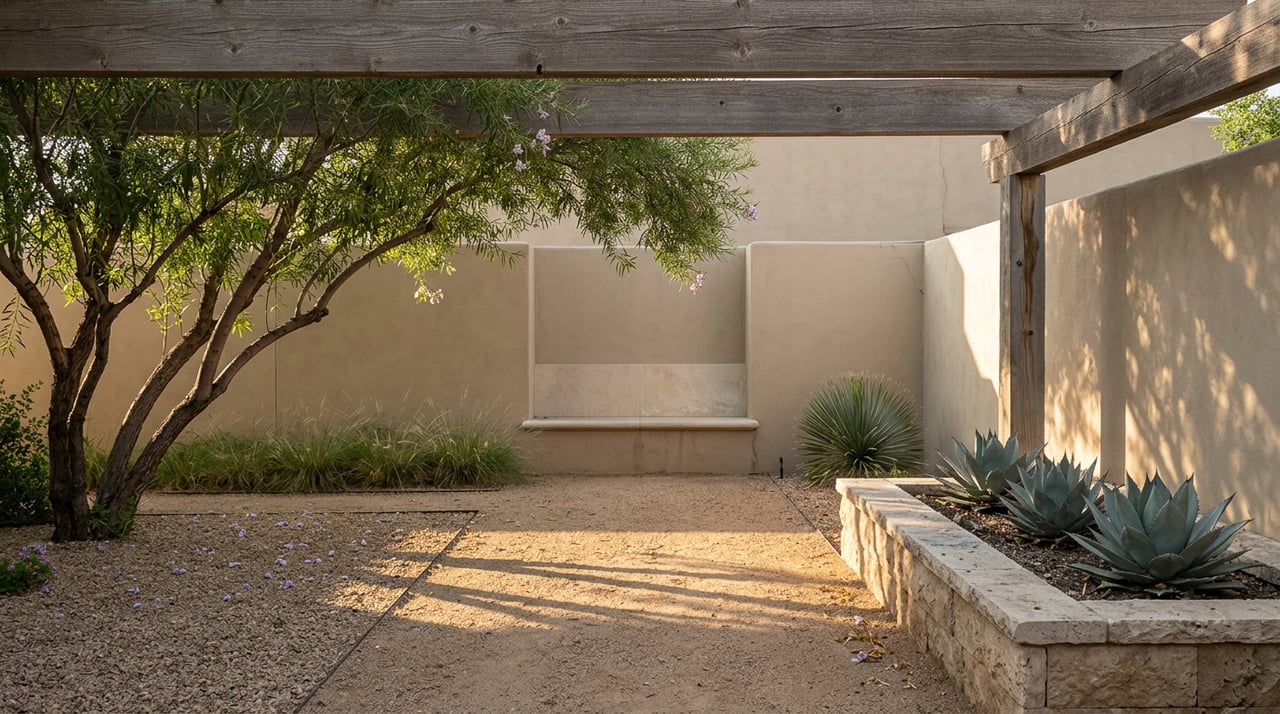
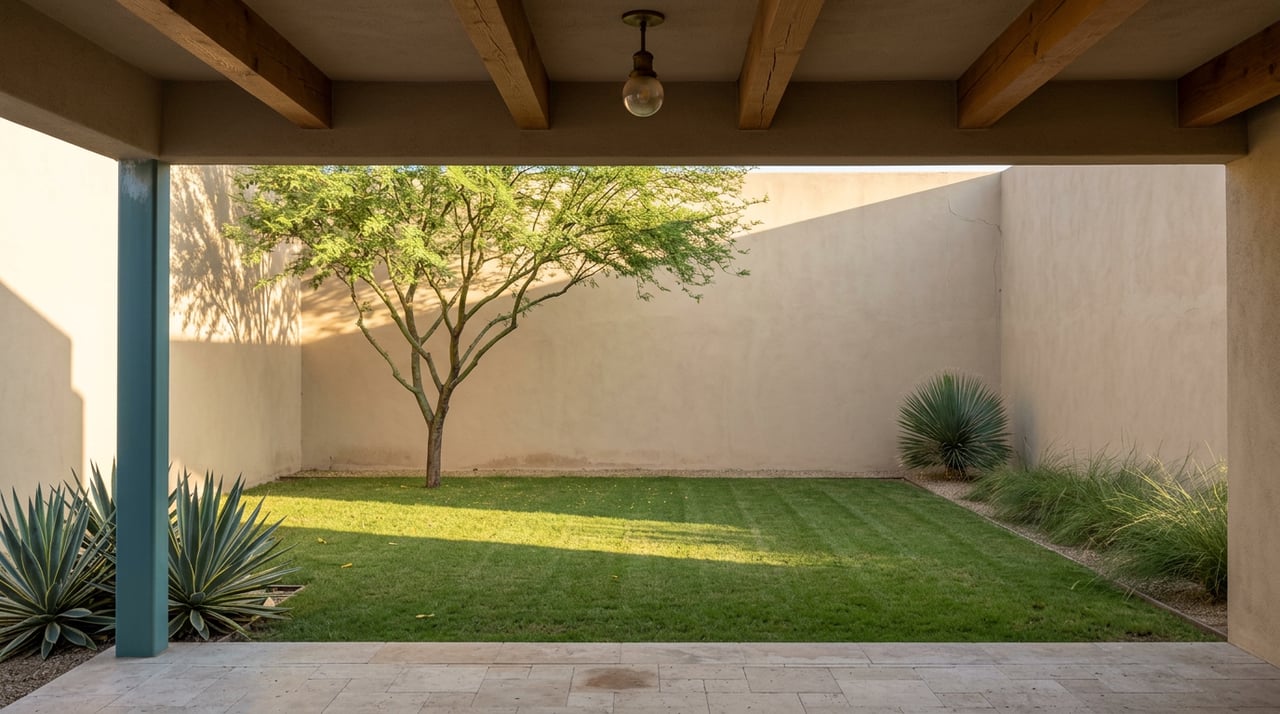
That is why lot orientation should always be reviewed alongside shade potential. Scottsdale highlights courtyards, trellises, arbors, retractable shade structures, and similar features that can provide relief from the sun while still allowing air movement.
If your primary patio faces west with little natural protection, it may need a more intentional shade plan. By contrast, a lot that supports layered shade more easily can improve comfort without sacrificing openness.
Views are more than a pretty backdrop
A big view can add immediate appeal, but smart buyers look beyond the horizon line. In Scottsdale, the quality and durability of a view often depend on elevation, topography, and what stands between your lot and the wider landscape.
Higher-elevation lots and preserve-adjacent sites often offer the broadest sightlines. But a view is only as secure as the land around it. If neighboring parcels can change significantly over time, your visual corridor may be less permanent than it appears during a showing.
Preserve and hillside settings
Scottsdale’s Environmentally Sensitive Lands Overlay, or ESL, applies to 134 square miles of desert and mountain areas north and east of the Central Arizona Project canal. It requires part of each property to remain as natural area open space and is intended to protect vegetation, washes, mountain ridges, and peaks.
The Foothills Overlay works alongside ESL to preserve rural desert character and limit the sense of overbuilding through controls on massing, grading, materials, and landscape treatment. For buyers, those settings can support stronger long-term view protection and a more open feel.
Infill and ordinary residential areas
In more typical infill settings, view protection may be less predictable. Scottsdale’s planning framework includes policies that support natural streetscapes and view corridors, especially along scenic corridors, but the level of protection is not the same everywhere.
That means a lot with a current open view may still deserve a deeper review. You want to understand whether the openness comes from protected land, regulated open space, setbacks, or simply today’s development pattern.
Privacy varies by lot type
Privacy in Scottsdale custom homes is rarely just about the house itself. It often comes from a mix of lot placement, adjacent land use, elevation, design rules, and what can legally be built around the property.
Some lots naturally offer more separation. Others create openness without true privacy. Knowing the difference can help you choose a site that fits how you want to live.
Preserve-adjacent and overlay lots
Lots near the preserve or within ESL and Foothills areas often offer some of the strongest privacy conditions. Because surrounding land is more likely to remain open, natural, or heavily regulated, there may be fewer surprises over time.
The tradeoff is that these parcels can come with more design constraints. Grading, preserved open space, and site planning may all play a larger role in what you can build and how the home is positioned.
Golf-course lots
Golf-course lots can create broad open views and a spacious feel behind the home. But open view and private open space are not the same thing.
Scottsdale’s golf-course policy calls for physical and visual connections with adjacent land uses while mitigating negative impacts. In simple terms, a golf lot may feel wide open, but it does not guarantee the kind of protected privacy some custom-home buyers want.
City-edge and night-view lots
Lots with city-light views can be striking, especially at night. Still, the nighttime experience depends on more than the view itself.
Scottsdale’s lighting guidelines aim to reduce glare, light trespass, and unnecessary nighttime brightness while maintaining dark skies. Nearby lighting standards and future adjacent development can influence whether a lot feels dramatic, exposed, or somewhere in between.
Privacy is also a design issue
Even on a strong lot, privacy usually needs to be reinforced through thoughtful design. Window placement, courtyard orientation, pool location, landscape screening, and wall design can all affect how private a home feels.
Scottsdale also regulates walls and fences. In most single-family residential districts, walls and fences up to 3 feet generally do not require a permit, though courtesy site plan approval is still required, while taller walls or fences require permits and in some cases engineered plans.
That means privacy planning should happen early. If your strategy depends on taller walls, screen elements, or other built features, you want to know what is allowed before you commit to a lot or finalize a design concept.
Five questions to ask before you buy
When evaluating a Scottsdale custom-home lot, a simple review can uncover major strengths or risks. These are some of the most practical questions to ask:
- What direction does the primary living space face?
- What is currently on each neighboring parcel?
- Is the lot within the ESL or Foothills overlay?
- How much shading can be built into patios and glazing?
- What privacy structures are allowed without affecting setbacks or easements?
These questions help you move beyond first impressions. A lot with a slightly smaller view but stronger orientation, better shade potential, and more durable privacy may deliver a better long-term outcome.
What matters most in a Scottsdale custom lot
The best Scottsdale custom-home lot is rarely just the one with the biggest view. It is usually the one whose orientation, elevation, and surrounding development pattern align with your priorities for light, shade, privacy, and long-term livability.
That is where experienced lot analysis becomes valuable. When you look at a site through both a design lens and a development lens, you can better understand how the property may perform before you build, buy, or move forward.
If you are comparing lots, evaluating a custom-home opportunity, or trying to protect view and privacy in a high-value Scottsdale purchase, Templeton Walker offers discreet, practitioner-led guidance grounded in real custom-home and development experience.
FAQs
How does lot orientation affect a custom home in Scottsdale?
- Lot orientation affects sunlight, glare, summer heat, winter light, and how comfortable your indoor and outdoor spaces feel throughout the year.
What lot orientation is often most practical for Scottsdale custom homes?
- South-facing living areas are often easier to shade in summer while still allowing winter sunlight, and north-facing windows can provide more even daylight with less glare.
Are preserve-adjacent lots in Scottsdale better for privacy?
- Preserve-adjacent and overlay-area lots often offer stronger privacy because nearby land is more likely to remain open, natural, or heavily regulated.
Do golf-course lots in Scottsdale provide true privacy?
- Golf-course lots can offer open views and visual space, but they do not provide the same level of protected private open space as some preserve or hillside settings.
Can walls and fences improve privacy on a Scottsdale custom-home lot?
- Yes, but Scottsdale regulates walls and fences, so privacy improvements should be reviewed early to confirm what is allowed for the property.
Why should you review neighboring parcels before buying a Scottsdale lot?
- Neighboring parcels can affect future views, light exposure, and privacy, especially if nearby land is not protected or subject to tighter overlay controls.